

War, inflation, speculation — and the market’s supreme verdict
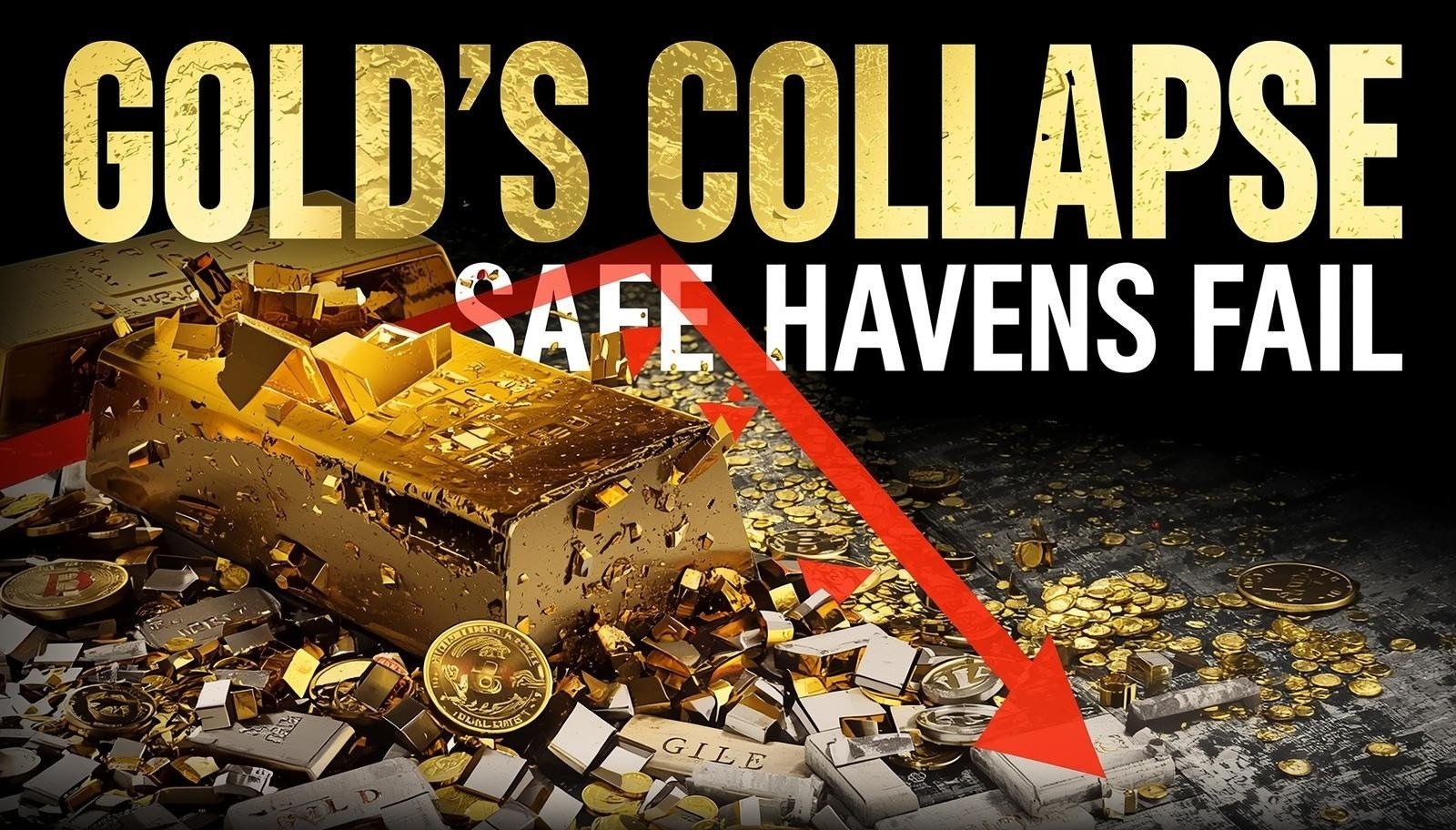
Gold was supposed to be the eternal protector. A hedge against inflation, a shield in times of war, the ultimate safe haven. Yet in March, it did the unthinkable: it collapsed. Traders, investors, and analysts alike have been left baffled, asking why the metal failed to live up to its reputation just when fear was at its peak.
Beyond Wisdom and Intellect
The truth is uncomfortable. Human beings often push intellect into places where it doesn’t belong. Markets, like relationships, don’t always respond to logic or judgment. Gold had already surged into irrational exuberance last year. That excess was bound to puncture. The collapse was not a betrayal of gold’s safe-haven status — it was the market correcting an unsustainable frenzy.
Markets Are Supreme
Charts don’t lie. They displayed the excess when gold was soaring, and they display the inevitable recoil now. War headlines alone cannot dictate price action. Markets move beyond human constitutions of “what should be” or “what could be.” They simply do what they must, indifferent to our judgments.
The Turnaround Question
So where does gold go from here? Some see signals of a turnaround, even dramatic rallies ahead. But confidence is a dangerous word in markets. The only certainty is uncertainty. What appears on the charts today suggests potential — but potential is not destiny.
The discipline lies not in prediction, but in protection. Stop-losses exist to guard against the market’s ability to prove anyone wrong. The only thing one can be sure of is how quickly the market can expose human stupidity.
Final Word
Gold’s collapse is a reminder: markets are supreme, intellect is limited, and judgment is often misplaced. Safe havens are not immune to speculation, excess, or correction.
“Accept what is. Markets will do what they must.”
In the end, the lesson is not about gold alone. It’s about humility in the face of forces larger than any human logic — and the wisdom of letting markets speak louder than our expectations.